

Injap bola berfungsi terutamanya sebagai peranti hidup/mati. Reka bentuknya mengehadkan keupayaannya untuk menyediakan kawalan aliran yang tepat. Had ini boleh menjejaskan keberkesanannya dalam aplikasi perlindungan kebakaran tertentu. Berikut adalah beberapa perkara penting mengenaifire protection valvesinjap bola:Fungsi Hidup/MatiInjap bola cemerlang dalam menutup atau membenarkan aliran bendalir dengan cepat. Walau bagaimanapun, ia tidak berfungsi dengan baik apabila pengendali perlu melaraskan kadar aliran secara beransur-ansur.Isu-isu PenyempitanApabila dibuka sebahagiannya, injap bola boleh menyebabkan pergolakan. Pergolakan ini boleh menyebabkan penurunan tekanan dan kadar aliran yang tidak konsisten. Tingkah laku sedemikian boleh menghalang prestasi sistem pemadaman kebakaran.Peraturan AliranInjap bebola tidak sesuai untuk aplikasi yang memerlukan pengawalaturan aliran halus. Reka bentuknya tidak membenarkan pelarasan secara beransur-ansur. Had ini boleh menjadi masalah dalam senario di mana penghantaran air yang tepat adalah penting.PetuaUntuk aplikasi yang memerlukan modulasi aliran, pertimbangkan untuk menggunakan injap get atau jenis injap lain yang direka bentuk untuk pendikitan.
Jadual di bawah meringkaskan keupayaan kawalan aliran injap bola berbanding injap get:
- Jenis Injap
- Keupayaan Kawalan Aliran
- Kes Penggunaan Ideal
- Injap BolaTerhad
- Perkhidmatan hidup/matiInjap Pintu
Sederhana
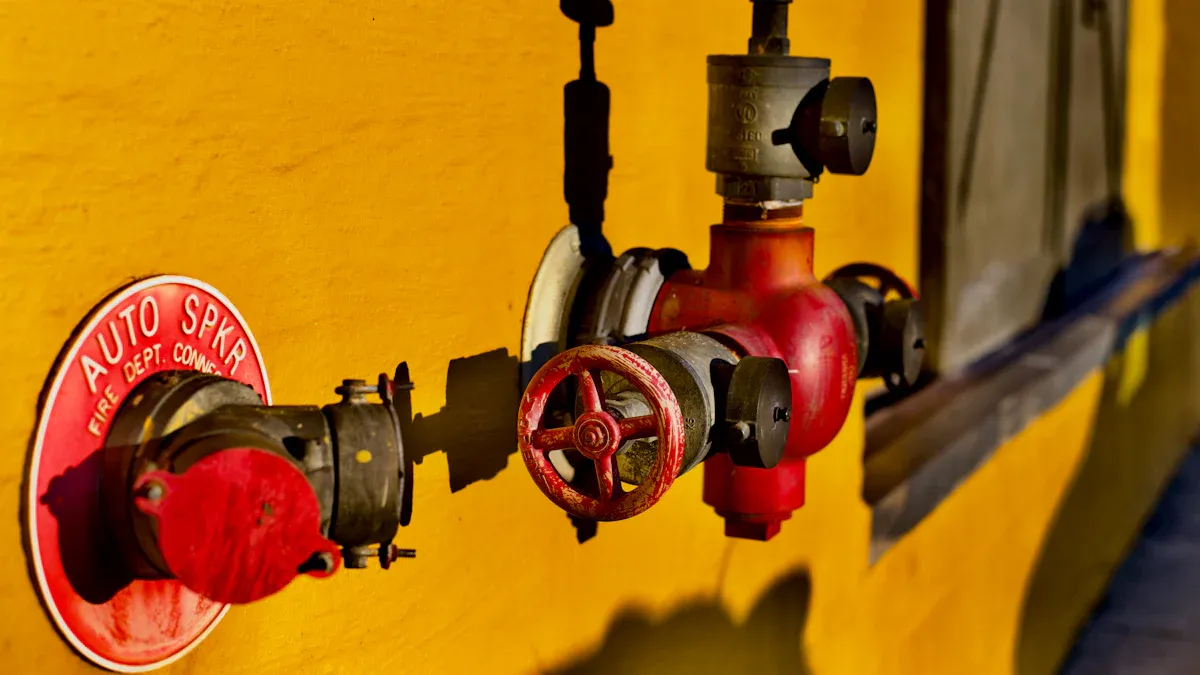
Pendikitan dan pengawalaturan aliranAplikasi dalam Sistem KebakaranInjap perlindungan kebakaran memainkan peranan penting dalam pelbagai aplikasi dalam sistem perlindungan kebakaran. Pemilihannya bergantung pada keperluan operasi khusus dan sifat strategi perlindungan kebakaran. Berikut adalah beberapa aplikasi utama untuk injap pintu dan injap bola dalam sistem kebakaran:
| 1. Sistem Pemercik Kebakaran | Ball Valves | Gate Valves |
|---|---|---|
| Sistem paip tegak, yang biasanya terdapat di bangunan komersial, bergantung pada injap perlindungan kebakaran untuk memastikan bekalan air yang mencukupi untuk usaha memadam kebakaran. Injap pintu sering digunakan untuk mengasingkan bahagian sistem, manakala injap bola memudahkan operasi pantas untuk akses air segera. | 3. Sistem Pili Bomba | Sistem pili bomba memerlukan injap yang andal dan cekap bagi memastikan anggota bomba boleh mengakses air dengan cepat. Injap pintu biasanya dipasang di talian bekalan utama untuk mengawal aliran air ke pili bomba. Injap bola juga boleh digunakan untuk penutupan pantas dalam situasi kecemasan. |
| 4. Sistem Banjir dan Pra-Tindakan | Dalam sistem pemadaman kebakaran banjir dan pra-tindakan, injap perlindungan kebakaran memainkan peranan penting dalam mengawal aliran air ke kepala pemercik. Injap pintu boleh mengasingkan bahagian sistem untuk penyelenggaraan, manakala injap bola membolehkan pengaktifan aliran air yang pantas apabila diperlukan. | 5. Aplikasi Perindustrian |
| Flow Regulation | 6. Perlindungan Kebakaran Kediaman | Sistem perlindungan kebakaran kediaman juga mendapat manfaat daripada penggunaan injap perlindungan kebakaran. Injap pintu pagar menyediakan keupayaan penutupan yang boleh dipercayai, manakala injap bola memastikan akses cepat kepada bekalan air untuk usaha memadam kebakaran. |
| Durability | Apabila memilih injap untuk sistem perlindungan kebakaran, pertimbangkan aplikasi khusus dan keperluan operasi. Setiap jenis injap menawarkan kelebihan unik yang boleh meningkatkan prestasi sistem. | Senario yang Sesuai untuk Injap Pintu |
| Injap pintu gerbang amat berkesan dalam pelbagai senario dalam sistem perlindungan kebakaran. Reka bentuk dan fungsinya menjadikannya sesuai untuk aplikasi tertentu di mana | kawalan aliran yang boleh dipercayai | adalah penting. Berikut adalah beberapa situasi ideal untuk menggunakan injap get: |
Pengasingan Bekalan Air Utama
Injap pintu berfungsi sebagai mekanisme penutup utama untuk bekalan air utama dalam sistem perlindungan kebakaran. Ia membolehkan penutupan sepenuhnya semasa penyelenggaraan atau kecemasan, memastikan sistem kekal selamat dan beroperasi.Aplikasi Tekanan TinggiDalam persekitaran di mana tekanan tinggi menjadi kebimbangan, injap get cemerlang. Pembinaannya yang teguh boleh menahan tekanan yang ketara tanpa menjejaskan prestasi. Ketahanan ini menjadikannya sesuai untuk persekitaran perindustrian.
Saluran Paip Berdiameter Besar
Injap pintu sering digunakan dalam saluran paip berdiameter besar di mana kawalan aliran diperlukan. Reka bentuknya meminimumkan sekatan aliran, membolehkan penghantaran air yang cekap semasa kecemasan.
Sistem Pili Bomba
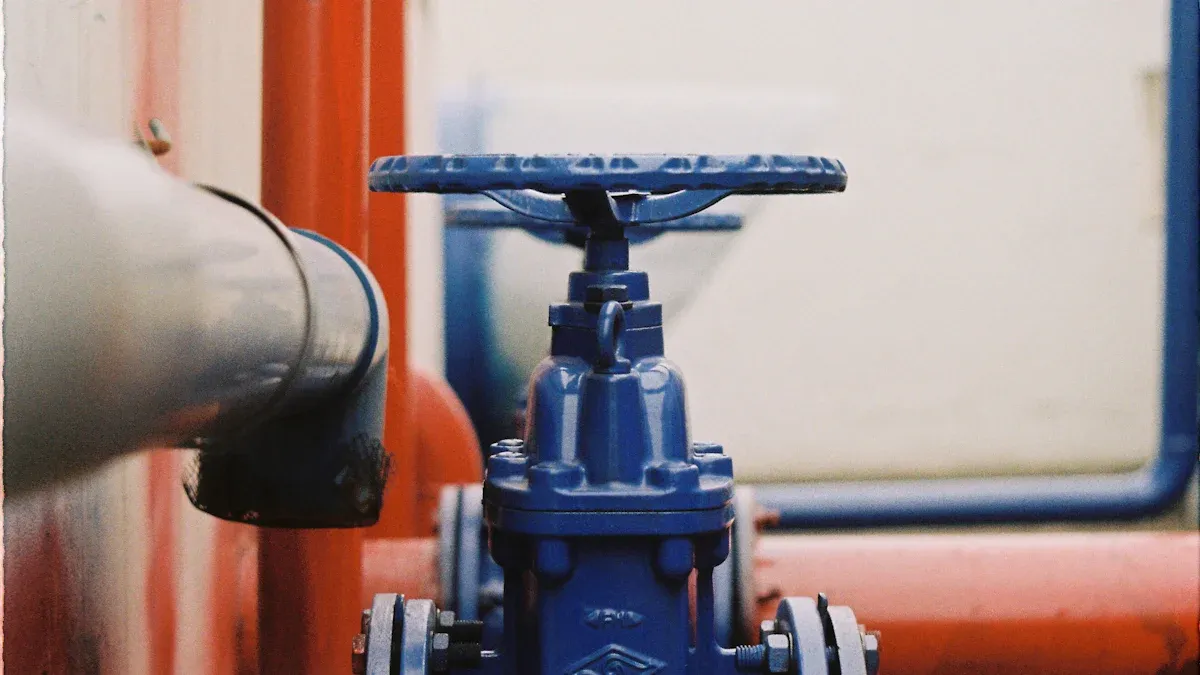
Injap pintu biasanya dipasang dalam sistem pili bomba. Ia menyediakan pengasingan bekalan air yang boleh dipercayai, memastikan anggota bomba boleh mengakses air dengan cepat apabila diperlukan.Adakah injap get sesuai untuk aplikasi pendikitan?Dalam sistem paip tegak, injap get membolehkan pengasingan bahagian tertentu. Keupayaan ini penting untuk penyelenggaraan dan memastikan bahagian lain sistem kekal beroperasi.
- Ball ValvesApabila memilih injap pintu untuk sistem perlindungan kebakaran, pertimbangkan aplikasi khusus dan keperluan operasi. Keupayaannya untuk menyediakan penutupan yang boleh dipercayai dan menahan tekanan tinggi menjadikannya komponen yang berharga dalam pelbagai senario.
- Gate ValvesInjap bola amat berkesan dalam pelbagai senario dalam sistem perlindungan kebakaran. Reka bentuk dan kecekapan operasinya menjadikannya sesuai untuk aplikasi tertentu yang memerlukan tindak balas pantas dan kebolehpercayaan. Berikut adalah beberapa situasi ideal untuk menggunakan injap bola:
Penutupan Kecemasan
Injap bola cemerlang dalam situasi yang memerlukan penutupan pantas. Operasi suku pusingannya membolehkan penutupan segera, yang penting semasa kecemasan kebakaran. Anggota bomba boleh mengakses bekalan air dengan cepat, memastikan tindak balas yang pantas.
Sistem Tekanan TinggiAdakah injap get sesuai untuk aplikasi pendikitan?Talian Bekalan Air
Gate Valves
- untuk sistem perlindungan kebakaran, pertimbangkan operasi pantas dan penurunan tekanan yang rendah. Ciri-ciri ini meningkatkan prestasi dan kebolehpercayaan sistem keseluruhan.Dalam sistem pemercik kebakaran, injap bola memudahkan pengaktifan pantas. Ia membolehkan aliran air segera ke kepala pemercik, meningkatkan keberkesanan usaha pemadaman kebakaran.
- Sistem BanjirInjap bola memainkan peranan penting dalam sistem banjir, di mana pelepasan air yang cepat diperlukan. Reka bentuknya membolehkan operasi pantas, memastikan air sampai ke kawasan yang dimaksudkan tanpa berlengah.
- Tindak balas pantas semasa kebakaranBila
Ball Valves
- untuk sistem perlindungan kebakaran, pertimbangkan operasi pantas dan penurunan tekanan yang rendah. Ciri-ciri ini meningkatkan prestasi dan kebolehpercayaan sistem keseluruhan.Jenis Permohonan
- Manfaat UtamaPenutupan Kecemasan
- Tindak balas pantas semasa kebakaranSistem Tekanan TinggiMengekalkan integriti di bawah tekananTalian Bekalan Air
TipSistem Pemercik
Pengaktifan aliran air serta-merta
Sistem Banjir
- Pelepasan air pantas untuk penindasanKeberkesanan Keseluruhan dalam Sistem Kebakaran
- Keberkesananinjap perlindungan kebakaran
- memberi kesan yang ketara kepada prestasi sistem keselamatan kebakaran. Kedua-dua injap pintu pagar dan injap bola memainkan peranan penting dalam memastikan aliran air yang boleh dipercayai semasa kecemasan. Ciri-ciri uniknya menyumbang kepada kecekapan keseluruhan usaha pemadaman kebakaran.Injap pintu pagar cemerlang dalam aplikasi yang memerlukan penutupan aliran sepenuhnya. Ia menyediakan cara yang boleh dipercayai untuk mengasingkan bahagian sistem perlindungan kebakaran. Keupayaan ini penting semasa penyelenggaraan atau kecemasan. Injap pintu pagar membolehkan kapasiti aliran yang tinggi, memastikan air sampai ke kawasan kritikal apabila diperlukan. Pembinaannya yang teguh menahan tekanan tinggi, menjadikannya sesuai untuk pelbagai persekitaran.
- Sebaliknya, injap bola menawarkan operasi pantas dan penurunan tekanan yang rendah. Mekanisme suku pusingannya membolehkan akses pantas kepada bekalan air, yang penting semasa kejadian kebakaran. Anggota bomba boleh mengaktifkan injap bola dengan pantas, memastikan segeraaliran air
- Tindak balas pantas ini boleh membuat perbezaan yang ketara dalam mengawal kebakaran dengan berkesan. Selain itu, injap bola mengekalkan kedap kalis bocor, mencegah kehilangan air dan meningkatkan kebolehpercayaan sistem.Prestasi dalam Kecemasan
Dalam situasi kecemasan, prestasi injap perlindungan kebakaran menjadi kritikal. Kedua-dua injap pintu pagar dan injap bola memainkan peranan yang berbeza dalam memastikan usaha pemadaman kebakaran yang berkesan.
ciri-ciri operasiboleh mempengaruhi hasil aktiviti pemadaman kebakaran dengan ketara.Injap Pintu
| Valve Type | Injap Bola | Sebaliknya, injap bola menawarkan operasi yang pantas. Mekanisme suku pusingannya membolehkan akses segera kepada bekalan air. Pengaktifan pantas ini penting semasa kejadian kebakaran, di mana masa amat penting. Anggota bomba boleh mengaktifkan injap bola dengan pantas, memastikan air mengalir ke kawasan yang diperlukan tanpa berlengah. Selain itu, injap bola mengekalkan penurunan tekanan rendah, yang membantu mengekalkan tekanan air di seluruh sistem. |
|---|---|---|
| Gate Valve | Boleh dipercayai untuk pemadaman sepenuhnya tetapi lebih perlahan untuk dikendalikan. | Boleh dipercayai untuk pemadaman sepenuhnya tetapi lebih perlahan untuk dikendalikan. |
| Ball Valve | Kebolehpercayaan Jangka Panjang Injap Perlindungan Kebakaran | Kebolehpercayaan Jangka Panjang Injap Perlindungan Kebakaran |
Kebolehpercayaan jangka panjang adalah penting untuk injap perlindungan kebakaran, kerana komponen ini memainkan peranan penting dalam memastikan keselamatan semasa kecemasan. Kedua-dua injap pintu dan injap bola mempamerkan ciri-ciri unik yang mempengaruhi kebolehpercayaannya dari semasa ke semasa.
- Injap Pintu
- Ketahanan
- Injap pintu selalunya diperbuat daripada bahan yang kukuh, seperti keluli tahan karat atau tembaga. Bahan-bahan ini meningkatkan keupayaannya untuk menahan tekanan dan suhu tinggi, sekali gus menyumbang kepada ketahanannya.
- Keperluan Penyelenggaraan
- Penyelenggaraan berkala adalah penting untuk injap get. Pengendali harus memeriksa pengedap dan komponen dalaman untuk mengelakkan kebocoran. Pengabaian penyelenggaraan boleh menyebabkan kebolehpercayaan yang berkurangan dan potensi kegagalan semasa saat-saat kritikal.
- Injap Bola
- Keperluan Penyelenggaraan Rendah
- Injap bola biasanya memerlukan penyelenggaraan yang lebih sedikit berbanding injap get. Reka bentuknya meminimumkan haus dan lusuh, membolehkannya berfungsi dengan berkesan untuk tempoh yang lama.
- Rintangan Kakisan
- Banyak injap bebola menggunakan bahan tahan kakisan. Ciri ini meningkatkan kebolehpercayaannya, terutamanya dalam persekitaran yang terdedah kepada bahan kimia yang keras atau keadaan yang melampau.
- Petua
Untuk memaksimumkan kebolehpercayaan jangka panjang injap perlindungan kebakaran, organisasi harus melaksanakan jadual pemeriksaan rutin. Pemeriksaan berkala dapat mengenal pasti potensi masalah sebelum ia menjadi lebih teruk, memastikan injap tetap beroperasi apabila diperlukan.Kedua-dua injap pintu pagar dan injap bola menawarkan kelebihan dan kekurangan yang berbeza dalam sistem perlindungan kebakaran.Injap pintu pagar
cemerlang dalam menyediakan keupayaan penutupan yang andal dan kapasiti aliran yang tinggi.
Injap bola
- menonjol kerana operasi pantas dan penurunan tekanan yang rendah.Akhirnya, pilihan antara injap ini bergantung pada keperluan sistem kebakaran tertentu dan keperluan operasi.Petua: Nilaikan permintaan unik setiap aplikasi untuk menentukan yang paling sesuai
- jenis injap yang sesuaiuntuk prestasi optimum.Soalan LazimApakah perbezaan utama antara injap get dan injap bola?
Injap pintu menyediakan kawalan hidup/mati yang andal, manakala injap bola menawarkan operasi yang lebih pantas dengan penurunan tekanan yang minimum. Ini menjadikan injap bola lebih sesuai untuk situasi kecemasan.Adakah injap get sesuai untuk aplikasi pendikitan?Injap get boleh digunakan untuk pendikitan, tetapi ia tidak sesuai untuk tujuan ini. Reka bentuknya terutamanya untuk penutupan aliran sepenuhnya.
| Berapa kerapkah injap perlindungan kebakaran perlu diselenggara? | Penyelenggaraan berkala adalah penting untuk injap get dan injap bola. Juruteknik perlu memeriksanya sekurang-kurangnya sekali setahun untuk memastikan ia berfungsi dengan baik dan mencegah kebocoran. |
|---|---|
| Bolehkah injap bola mengendalikan cecair kotor? | Injap bola bergelut dengan bendalir yang mengandungi pepejal atau serpihan. Bahan cemar boleh menghalang pengedapan yang betul, yang membawa kepada kebocoran yang berpotensi dalam sistem perlindungan kebakaran. |
| Apakah faktor yang mempengaruhi pilihan antara injap get dan injap bebola? | Pilihannya bergantung pada keperluan aplikasi tertentu, seperti masa tindak balas yang diperlukan, kawalan aliran dan keadaan tekanan. Nilaikan faktor-faktor ini untuk menentukan jenis injap terbaik. |
| Masa siaran: 20-Mac-2026 | Hubungi |
Lawati KamiZheJiang World Fire Fighting Equipment CO.,LTD.Hubungi Kami
13685872522
13968219316
- E-mel KamiHantar Pertanyaan
- Bahasa KoreaHantar E-mel
- WhatsappTekan enter untuk mencari atau ESC untuk menutup
- Bahasa InggerisPerancis
- JermanPortugis
Bahasa Sepanyol
| Rusia | Kazakh |
|---|---|
| Bahasa Korea | Bahasa Arab |
| Ireland | Yunani |
| Turki | Itali |
Bahasa Denmark
Bahasa Romania
Bahasa IndonesiaCzechBahasa Afrikaans
- SwedenPoland
- BasqueBahasa Catalan
Esperanto
Hindi
LaoAlbaniaAmharic
- ArmeniaAzerbaijan
- Bahasa BelarusBengali
- BosniaBahasa Bulgaria
Bahasa Cebuano
- Chichewa
- Korsika
- Bahasa Croatia
- Belanda
EstoniaBahasa Filipina
| Valve Type | Frisia | Galicia |
|---|---|---|
| Ball Valve | Ibrani | Bahasa Hawaii |
| Gate Valve | Bahasa Hawaii | Ibrani |
Hmong
Bahasa Hungary
Bahasa IcelandIgboJawa
| Kannada | Kazakh |
|---|---|
| Khmer | Kurdi |
| Kirgiz | Bahasa Latin |
| Bahasa Latvia | Bahasa Lithuania |
Luxembourg..MacedoniaBahasa Malagasi
- Bahasa MelayuMalayalam
- MaltaMaori
- MarathiMongolia
Burma
Nepal
Bahasa Norway
PashtoParsi:
- PunjabiBahasa Serbia
- SesothoSinhalaSlovakiaBahasa Slovenia
- SomaliaBahasa Samoa
Bahasa Gaelik Scotland
Shona
Sindhi
Bahasa SundaBahasa SwahiliTajik
- Bahasa TamilTelugu
- Bahasa ThaiUkraine
Bahasa Urdu
| Valve Type | Vietnam | Wales | Xhosa |
|---|---|---|---|
| Yiddish | Yoruba | Zulu | Kinyarwanda |
| Tatar | Oriya | Orang Turkmen | Uyghur |
Low pressure drop in ball valves enhances water flow in fire system pipelines. This efficiency ensures that firefighters receive adequate water supply quickly, which is vital for effective firefighting. The ability to maintain pressure during operation allows for consistent water delivery, even in high-demand situations.
Disadvantages of Ball Valves
While ball valves offer numerous advantages, they also present several disadvantages that can affect their performance in fire protection systems. Understanding these limitations is crucial for making informed decisions. Here are some key drawbacks:
- Inability to Provide Gradual Shut-off: Ball valves operate with a quarter-turn action. This rapid shut-off can lead to sudden pressure changes, potentially damaging systems like fire protection sprinklers. Such abrupt shifts in pressure may compromise the integrity of the entire system.
- Corrosion and Erosion Issues: Depending on the material used, ball valves can corrode or erode when exposed to harsh substances. This deterioration can result in leaks and reduced performance over time. Operators must consider the fluid characteristics to mitigate these risks.
- Difficulty in Handling Dirty Fluids: Ball valves struggle with fluids containing solids or debris. These contaminants can prevent proper sealing, leading to leakage. In fire protection systems, where reliability is paramount, this limitation can pose significant challenges.
- Higher Initial Costs: Compared to gate valves, ball valves typically have a higher initial purchase price. This cost factor can deter some organizations from choosing them, especially when budget constraints exist.
- Limited Throttling Capability: Ball valves are primarily designed for on/off service. They do not perform well when used for throttling applications. This limitation can hinder flow regulation in certain scenarios, making them less versatile than other valve types.
Higher Initial Cost of Ball Valves
Ball valves typically come with a higher initial cost than gate valves. This price difference can influence purchasing decisions for fire protection systems. Organizations must weigh the benefits against the financial implications. Here are some key points regarding the costs associated with ball valves:
- Material Quality: Ball valves often use high-quality materials, such as stainless steel or brass. These materials enhance durability but increase production costs.
- Complex Design: The design of ball valves includes more intricate components, which can drive up manufacturing expenses.
- Performance Features: Ball valves offer superior sealing capabilities and quick operation. These features justify the higher price for many applications.
Cost Comparison Table
| Valve Type | Initial Cost Range (8″ Class 300) | Initial Cost Range (24″) |
|---|---|---|
| Gate Valve | $12K – $18K | $12K – $18K |
| Ball Valve | $45K – $75K | $45K – $75K |
Tip: When budgeting for fire protection systems, consider both the initial costs and the long-term benefits of each valve type.
Despite the higher upfront costs, ball valves can provide long-term savings. Their durability and low maintenance requirements often lead to reduced operational costs over time. Organizations should evaluate their specific needs and budget constraints before making a decision.
Limited Flow Control of Ball Valves
Ball valves primarily serve as on/off devices. Their design limits their ability to provide precise flow control. This limitation can impact their effectiveness in certain fire protection applications. Here are some key points regarding the flow control capabilities of ball valves:
- On/Off Functionality: Ball valves excel at quickly shutting off or allowing fluid flow. However, they do not perform well when operators need to adjust flow rates gradually.
- Throttling Issues: When partially opened, ball valves can create turbulence. This turbulence can lead to pressure drops and inconsistent flow rates. Such behavior can hinder the performance of fire suppression systems.
- Flow Regulation: Ball valves are not suitable for applications requiring fine flow regulation. Their design does not allow for gradual adjustments. This limitation can be problematic in scenarios where precise water delivery is essential.
Tip: For applications that require flow modulation, consider using gate valves or other valve types designed for throttling.
The table below summarizes the flow control capabilities of ball valves compared to gate valves:
| Valve Type | Flow Control Capability | Ideal Use Case |
|---|---|---|
| Ball Valve | Limited | On/off service |
| Gate Valve | Moderate | Throttling and flow regulation |
Applications in Fire Systems
Fire protection valves play a critical role in various applications within fire protection systems. Their selection depends on specific operational requirements and the nature of the fire protection strategy. Below are some key applications for both gate valves and ball valves in fire systems:
1. Fire Sprinkler Systems
Fire sprinkler systems utilize both gate and ball valves to control water flow. Gate valves serve as the main shut-off valves, allowing for complete closure during maintenance or emergencies. Ball valves, on the other hand, provide quick access to water supply, enabling rapid response during fire incidents.
2. Standpipe Systems
Standpipe systems, commonly found in commercial buildings, rely on fire protection valves to ensure adequate water supply for firefighting efforts. Gate valves are often used to isolate sections of the system, while ball valves facilitate quick operation for immediate water access.
3. Fire Hydrant Systems
Fire hydrant systems require reliable and efficient valves to ensure firefighters can access water quickly. Gate valves are typically installed at the main supply line to control water flow to hydrants. Ball valves may also be used for quick shut-off in emergency situations.
4. Deluge and Pre-Action Systems
In deluge and pre-action fire suppression systems, fire protection valves play a vital role in controlling water flow to sprinkler heads. Gate valves can isolate sections of the system for maintenance, while ball valves allow for rapid activation of water flow when needed.
5. Industrial Applications
In industrial settings, fire protection valves are essential for safeguarding against fire hazards. Gate valves are often used in high-pressure applications, while ball valves are favored for their quick operation and low pressure drop, making them suitable for various fire suppression systems.
6. Residential Fire Protection
Residential fire protection systems also benefit from the use of fire protection valves. Gate valves provide reliable shut-off capabilities, while ball valves ensure quick access to water supply for firefighting efforts.
Tip: When selecting valves for fire protection systems, consider the specific application and operational requirements. Each valve type offers unique advantages that can enhance system performance.
Suitable Scenarios for Gate Valves
Gate valves are particularly effective in various scenarios within fire protection systems. Their design and functionality make them suitable for specific applications where reliable flow control is essential. Below are some ideal situations for using gate valves:
- Main Water Supply Isolation: Gate valves serve as the primary shut-off mechanism for the main water supply in fire protection systems. They allow for complete closure during maintenance or emergencies, ensuring that the system remains safe and operational.
- High-Pressure Applications: In environments where high pressure is a concern, gate valves excel. Their robust construction can withstand significant pressure without compromising performance. This durability makes them ideal for industrial settings.
- Large-Diameter Pipelines: Gate valves are often used in large-diameter pipelines where flow control is necessary. Their design minimizes flow restriction, allowing for efficient water delivery during emergencies.
- Fire Hydrant Systems: Gate valves are commonly installed in fire hydrant systems. They provide reliable isolation of the water supply, ensuring that firefighters can access water quickly when needed.
- Standpipe Systems: In standpipe systems, gate valves allow for the isolation of specific sections. This capability is crucial for maintenance and ensures that other parts of the system remain operational.
Tip: When selecting gate valves for fire protection systems, consider the specific application and operational requirements. Their ability to provide reliable shut-off and withstand high pressures makes them a valuable component in various scenarios.
Suitable Scenarios for Ball Valves
Ball valves are particularly effective in various scenarios within fire protection systems. Their design and operational efficiency make them suitable for specific applications where quick response and reliability are essential. Below are some ideal situations for using ball valves:
- Emergency Shut-off: Ball valves excel in situations requiring rapid shut-off. Their quarter-turn operation allows for immediate closure, which is critical during fire emergencies. Firefighters can quickly access water supply, ensuring a swift response.
- High-Pressure Systems: In high-pressure environments, ball valves maintain their integrity and performance. Their robust construction withstands significant pressure, making them ideal for industrial applications where safety is paramount.
- Water Supply Lines: Ball valves are commonly used in water supply lines for fire protection systems. Their ability to provide leak-proof sealing ensures that water remains contained, preventing wastage and maintaining system efficiency.
- Sprinkler Systems: In fire sprinkler systems, ball valves facilitate quick activation. They allow for immediate water flow to sprinkler heads, enhancing the effectiveness of fire suppression efforts.
- Deluge Systems: Ball valves play a crucial role in deluge systems, where rapid water release is necessary. Their design enables quick operation, ensuring that water reaches the intended areas without delay.
Tip: When selecting ball valves for fire protection systems, consider their quick operation and low pressure drop. These features enhance overall system performance and reliability.
| Application Type | Key Benefit |
|---|---|
| Emergency Shut-off | Rapid response during fires |
| High-Pressure Systems | Maintains integrity under pressure |
| Water Supply Lines | Prevents leaks and wastage |
| Sprinkler Systems | Immediate water flow activation |
| Deluge Systems | Quick water release for suppression |
Overall Effectiveness in Fire Systems
The effectiveness of fire protection valves significantly impacts the performance of fire safety systems. Both gate valves and ball valves play crucial roles in ensuring reliable water flow during emergencies. Their unique characteristics contribute to the overall efficiency of fire suppression efforts.
Gate valves excel in applications requiring complete flow shut-off. They provide a reliable means to isolate sections of a fire protection system. This capability is essential during maintenance or emergencies. Gate valves allow for high flow capacity, ensuring that water reaches critical areas when needed. Their robust construction withstands high pressures, making them suitable for various environments.
On the other hand, ball valves offer rapid operation and low pressure drop. Their quarter-turn mechanism allows for quick access to water supply, which is vital during fire incidents. Firefighters can swiftly activate ball valves, ensuring immediate water flow. This quick response can make a significant difference in controlling fires effectively. Additionally, ball valves maintain leak-proof sealing, preventing water loss and enhancing system reliability.
Performance in Emergencies
In emergency situations, the performance of fire protection valves becomes critical. Both gate valves and ball valves play distinct roles in ensuring effective firefighting efforts. Their operational characteristics can significantly influence the outcome of fire suppression activities.
Gate Valves
Gate valves provide reliable shut-off capabilities. They excel in applications where complete flow control is necessary. However, their slower operation can hinder response times during emergencies. Firefighters may face delays when attempting to open or close these valves, as they require multiple turns. This limitation can be detrimental in situations where every second counts.
Ball Valves
In contrast, ball valves offer rapid operation. Their quarter-turn mechanism allows for immediate access to water supply. This quick activation is essential during fire incidents, where time is of the essence. Firefighters can swiftly engage ball valves, ensuring that water flows to the necessary areas without delay. Additionally, ball valves maintain low pressure drops, which helps sustain water pressure throughout the system.
Summary of Performance
- Gate Valves: Reliable for complete shut-off but slower to operate.
- Ball Valves: Quick to activate, ensuring immediate water flow and maintaining pressure.
Long-Term Reliability of Fire Protection Valves
Long-term reliability is crucial for fire protection valves, as these components play a vital role in ensuring safety during emergencies. Both gate and ball valves exhibit unique characteristics that influence their reliability over time.
Gate Valves
- Durability: Gate valves often feature robust materials, such as stainless steel or brass. These materials enhance their ability to withstand high pressures and temperatures, contributing to their longevity.
- Maintenance Requirements: Regular maintenance is essential for gate valves. Operators should inspect seals and internal components to prevent leaks. Neglecting maintenance can lead to reduced reliability and potential failures during critical moments.
Ball Valves
- Low Maintenance Needs: Ball valves typically require less maintenance than gate valves. Their design minimizes wear and tear, allowing them to function effectively for extended periods.
- Corrosion Resistance: Many ball valves utilize corrosion-resistant materials. This feature enhances their reliability, especially in environments exposed to harsh chemicals or extreme conditions.
Tip: To maximize the long-term reliability of fire protection valves, organizations should implement a routine inspection schedule. Regular checks can identify potential issues before they escalate, ensuring that valves remain operational when needed.
Both gate and ball valves offer distinct advantages and disadvantages in fire protection systems.
- Gate valves excel in providing reliable shut-off capabilities and high flow capacity.
- Ball valves stand out for their quick operation and low pressure drop.
Ultimately, the choice between these valves hinges on specific fire system needs and operational requirements.
Tip: Assess the unique demands of each application to determine the most suitable valve type for optimal performance.
FAQ
What is the primary difference between gate valves and ball valves?
Gate valves provide reliable on/off control, while ball valves offer quicker operation with minimal pressure drop. This makes ball valves more suitable for emergency situations.
Are gate valves suitable for throttling applications?
Gate valves can be used for throttling, but they are not ideal for this purpose. Their design is primarily for complete flow shut-off.
How often should fire protection valves be maintained?
Regular maintenance is essential for both gate and ball valves. Technicians should inspect them at least once a year to ensure proper functionality and prevent leaks.
Can ball valves handle dirty fluids?
Ball valves struggle with fluids containing solids or debris. Contaminants can prevent proper sealing, leading to potential leaks in fire protection systems.
What factors influence the choice between gate and ball valves?
The choice depends on specific application needs, such as required response time, flow control, and pressure conditions. Evaluate these factors to determine the best valve type.
Post time: Mar-20-2026